
search
.png)
Garden Wire Mesh
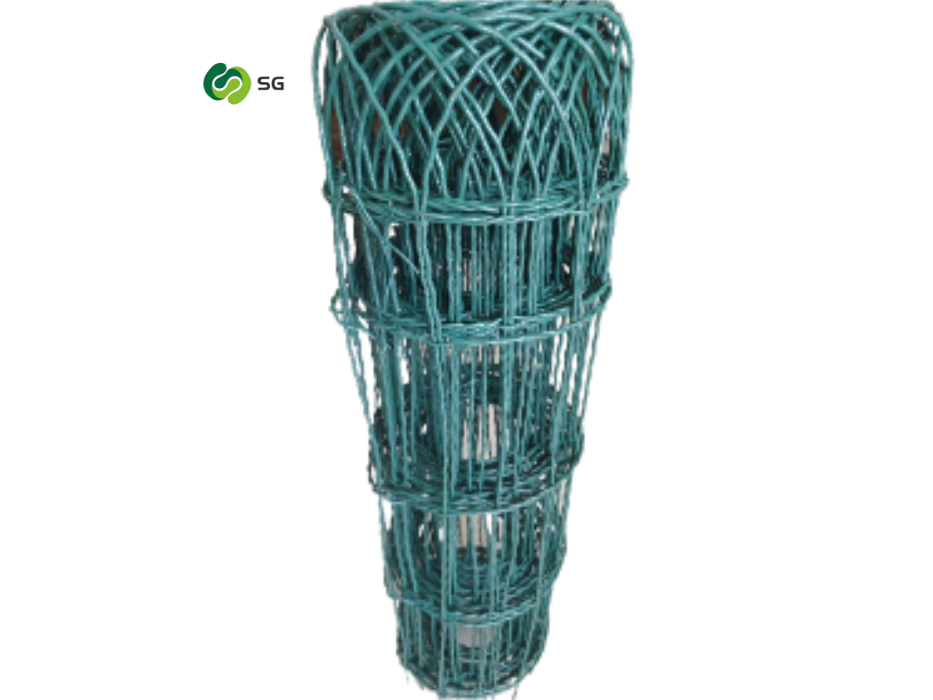
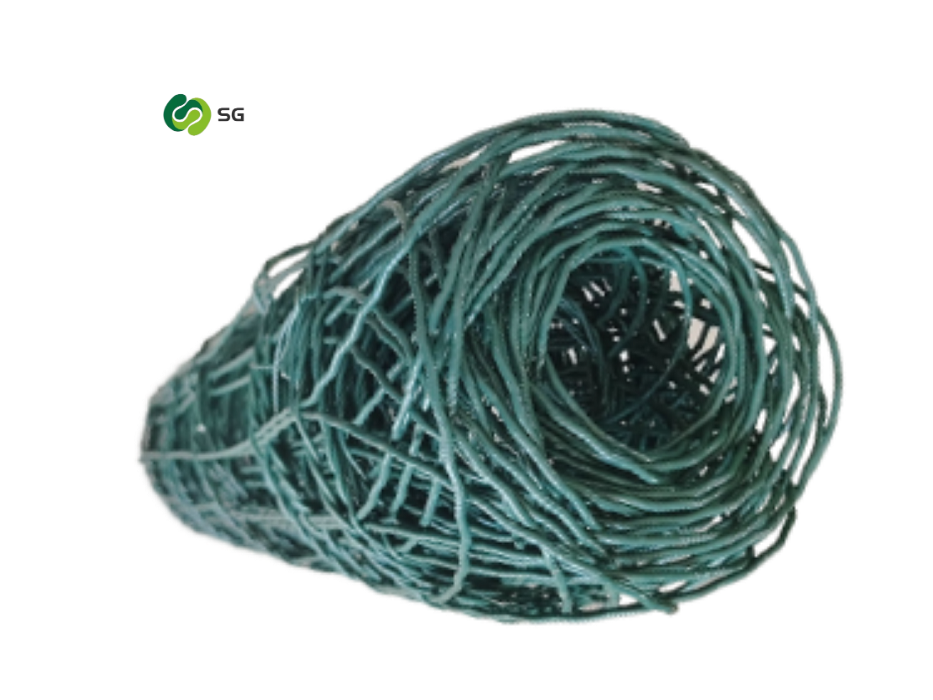
Garden wire mesh product introduction:
I. Core Functions
Garden fence nets combine protective and decorative purposes, used for isolating areas, safeguarding plants/pets/children, and enhancing the aesthetic appeal of courtyards. Common applications include parks, villas, residential complexes, and orchards.
II. Material Types and Features
1.Plastic Dipping
2.Powder Coating
3.Electrostatic Spraying
4.Fluidized Bed Dipping
III. Common Types and Specifications
Structural Types
Double-Wire Fence: Wire diameter 3.0-5.0mm, mesh size 7×15cm, height 1.8-3m (ideal for large-area isolation).
Framed Fence: Reinforced borders, impact-resistant (used for traffic or industrial zones).
Climbing Net: Thick six-strand design for plant growth (customizable mesh sizes for cucumbers, grapes, etc.).
Surface Treatments
Plastic dipping (UV-resistant), powder coating (color variety), galvanization (rust-proof).
IV. Installation and Maintenance
Installation Methods
Buried: Posts embedded directly in soil (suitable for soft ground).
Flange Plate: Posts fixed with expansion bolts via welded steel plates (for hard surfaces).
Accessories: Rain caps, connecting clips, anti-theft bolts.
Maintenance Tips
Clean dust regularly to prevent corrosion.
Check and tighten loose screws.
Repaint wrought iron fences every 2-3 years.
V. Purchase Recommendations
Safety: Choose wire diameter ≥3.5mm and mesh ≤10×20cm to prevent pets/children from escaping.
Aesthetics: Match color/style with courtyard design (e.g., white PVC for modern, black wrought iron for vintage).
Durability: Opt for zinc steel/aluminum alloy in humid areas; wrought iron in dry regions.
Cost-Effectiveness: PVC for short-term use; zinc steel/aluminum alloy for long-term.
I. Core Functions
Garden fence nets combine protective and decorative purposes, used for isolating areas, safeguarding plants/pets/children, and enhancing the aesthetic appeal of courtyards. Common applications include parks, villas, residential complexes, and orchards.
II. Material Types and Features
1.Plastic Dipping
2.Powder Coating
3.Electrostatic Spraying
4.Fluidized Bed Dipping
III. Common Types and Specifications
Structural Types
Double-Wire Fence: Wire diameter 3.0-5.0mm, mesh size 7×15cm, height 1.8-3m (ideal for large-area isolation).
Framed Fence: Reinforced borders, impact-resistant (used for traffic or industrial zones).
Climbing Net: Thick six-strand design for plant growth (customizable mesh sizes for cucumbers, grapes, etc.).
Surface Treatments
Plastic dipping (UV-resistant), powder coating (color variety), galvanization (rust-proof).
IV. Installation and Maintenance
Installation Methods
Buried: Posts embedded directly in soil (suitable for soft ground).
Flange Plate: Posts fixed with expansion bolts via welded steel plates (for hard surfaces).
Accessories: Rain caps, connecting clips, anti-theft bolts.
Maintenance Tips
Clean dust regularly to prevent corrosion.
Check and tighten loose screws.
Repaint wrought iron fences every 2-3 years.
V. Purchase Recommendations
Safety: Choose wire diameter ≥3.5mm and mesh ≤10×20cm to prevent pets/children from escaping.
Aesthetics: Match color/style with courtyard design (e.g., white PVC for modern, black wrought iron for vintage).
Durability: Opt for zinc steel/aluminum alloy in humid areas; wrought iron in dry regions.
Cost-Effectiveness: PVC for short-term use; zinc steel/aluminum alloy for long-term.
I. Classification and Features of Plastic Coating Processes
II. Comparison and Selection Recommendations
III. Key Considerations
prev:
Cattle Wire Mesh
next:
Chicken Coop Run

Submit
Home About Us Products Contact Us
Tel: +86 15830221628
whatsapp: +86 15830221628
E-mail: kevin@hbsungrand.com
Address:Liusu Industrial Zone, Liqingu Town, Dingzhou City, Hebei Province, China