
search
.png)
PVC Coated Galvanized Wire
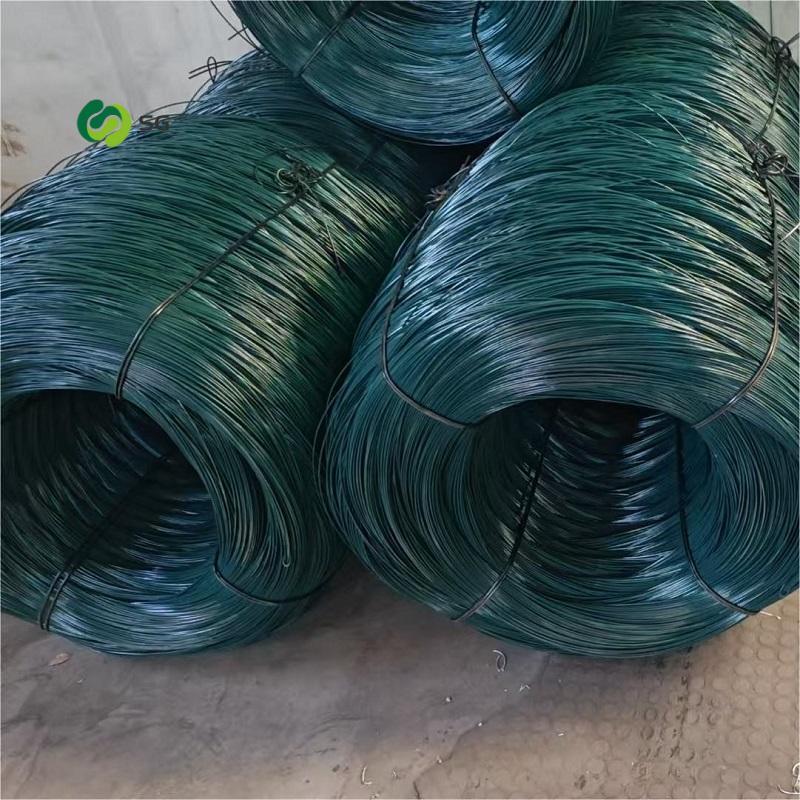
.jpg "1.jpg")
.jpg "1.jpg")
.jpg "1.jpg")
.jpg "1.jpg")
.jpg "1.jpg")
Plastic-Coated Galvanized Wire: Innovative Applications of High-Performance Composite Materials
Plastic-coated galvanized wire is a composite material that combines galvanized metal wire with a polymer plastic layer. Through coating technology, it forms a dense protective layer on the metal substrate, integrating the strength of metal with the corrosion resistance of plastic. This makes it an essential material in modern industrial and civil fields.
Core Performance Advantages
Exceptional Corrosion Resistance: The plastic layer (such as PVC or PE) effectively isolates the metal wire from corrosive media like acids, alkalis, and salts. This extends the product’s lifespan by 3-5 times compared to ordinary galvanized wire, making it ideal for harsh environments like humid or chemical settings.
Anti-Aging and Durability: The plastic layer, infused with UV-resistant additives, withstands prolonged outdoor exposure without cracking or fading, ensuring structural stability over time.
Wear Resistance and Insulation: The plastic layer reduces direct friction between metal strands, enhancing wear resistance by 1.5-2 times. It also provides electrical insulation, meeting requirements for specialized applications.
Decorative and Customizable Features: Available in customizable colors, it offers both aesthetic appeal and functional adaptability for diverse scenarios.
Processes and Material Selection
Key production methods include extrusion, fluidized bed dipping, and electrostatic spraying.
Extrusion: Melts plastic at high temperatures to coat wires uniformly, achieving a thickness of over 0.3mm.
Fluidized Bed Dipping: Involves heating wires to 300-400°C and dipping them in plastic powder, resulting in a 0.2-0.7mm coating after curing.
Electrostatic Spraying: Uses electrostatic adsorption for efficient, uniform coverage, suitable for large-scale production.
Base materials range from cold-galvanized, hot-galvanized, or galvanized aluminum alloy wires. Common plastic coatings include PVC (cost-effective but shorter lifespan), PE (weather-resistant), and nylon (highly durable), allowing users to balance cost and environmental demands.
Extensive Application Areas
Protective Engineering: Used in stadium fences, slope protection nets, and gabion walls for physical barriers.
Agriculture and Aquaculture: Forms animal enclosures, fish cages, and pest-control nets in farming and forestry.
Industry and Construction: Serves as steel structure cables, lifting straps, or steel-plastic pipe frameworks for reinforced strength and corrosion resistance.
Daily and Specialized Uses: Found in clothes hangers, decorative nets, automotive cables, and marine ropes.
Specifications and Customization
Products are labeled by inner/outer diameters (e.g., 2.6mm/3.6mm) with coating thicknesses of 0.2-0.7mm. Customizable options for materials, colors, and dimensions ensure adaptability to specific needs.
Conclusion
Plastic-coated galvanized wire stands out in corrosion, wear, and weather resistance across industries. As material technology advances, its applications will continue expanding, offering efficient, reliable solutions. Selection should balance environmental factors and cost to optimize performance and economy.
Plastic-coated galvanized wire is a composite material that combines galvanized metal wire with a polymer plastic layer. Through coating technology, it forms a dense protective layer on the metal substrate, integrating the strength of metal with the corrosion resistance of plastic. This makes it an essential material in modern industrial and civil fields.
Core Performance Advantages
Exceptional Corrosion Resistance: The plastic layer (such as PVC or PE) effectively isolates the metal wire from corrosive media like acids, alkalis, and salts. This extends the product’s lifespan by 3-5 times compared to ordinary galvanized wire, making it ideal for harsh environments like humid or chemical settings.
Anti-Aging and Durability: The plastic layer, infused with UV-resistant additives, withstands prolonged outdoor exposure without cracking or fading, ensuring structural stability over time.
Wear Resistance and Insulation: The plastic layer reduces direct friction between metal strands, enhancing wear resistance by 1.5-2 times. It also provides electrical insulation, meeting requirements for specialized applications.
Decorative and Customizable Features: Available in customizable colors, it offers both aesthetic appeal and functional adaptability for diverse scenarios.
Processes and Material Selection
Key production methods include extrusion, fluidized bed dipping, and electrostatic spraying.
Extrusion: Melts plastic at high temperatures to coat wires uniformly, achieving a thickness of over 0.3mm.
Fluidized Bed Dipping: Involves heating wires to 300-400°C and dipping them in plastic powder, resulting in a 0.2-0.7mm coating after curing.
Electrostatic Spraying: Uses electrostatic adsorption for efficient, uniform coverage, suitable for large-scale production.
Base materials range from cold-galvanized, hot-galvanized, or galvanized aluminum alloy wires. Common plastic coatings include PVC (cost-effective but shorter lifespan), PE (weather-resistant), and nylon (highly durable), allowing users to balance cost and environmental demands.
Extensive Application Areas
Protective Engineering: Used in stadium fences, slope protection nets, and gabion walls for physical barriers.
Agriculture and Aquaculture: Forms animal enclosures, fish cages, and pest-control nets in farming and forestry.
Industry and Construction: Serves as steel structure cables, lifting straps, or steel-plastic pipe frameworks for reinforced strength and corrosion resistance.
Daily and Specialized Uses: Found in clothes hangers, decorative nets, automotive cables, and marine ropes.
Specifications and Customization
Products are labeled by inner/outer diameters (e.g., 2.6mm/3.6mm) with coating thicknesses of 0.2-0.7mm. Customizable options for materials, colors, and dimensions ensure adaptability to specific needs.
Conclusion
Plastic-coated galvanized wire stands out in corrosion, wear, and weather resistance across industries. As material technology advances, its applications will continue expanding, offering efficient, reliable solutions. Selection should balance environmental factors and cost to optimize performance and economy.
Key Features
Production Processes
Common Materials
Application Areas
Product Specifications
Conclusion
prev:
Hot-dip Galvanized Wire
next:
Black Annealed Wire

Submit
Home About Us Products Contact Us
Tel: +86 15830221628
whatsapp: +86 15830221628
E-mail: kevin@hbsungrand.com
Address:Liusu Industrial Zone, Liqingu Town, Dingzhou City, Hebei Province, China